
How it Works
A Neighborhood Geothermal Network Built for Year-Round Comfort.
See Why Geothermal is a Smart Choice
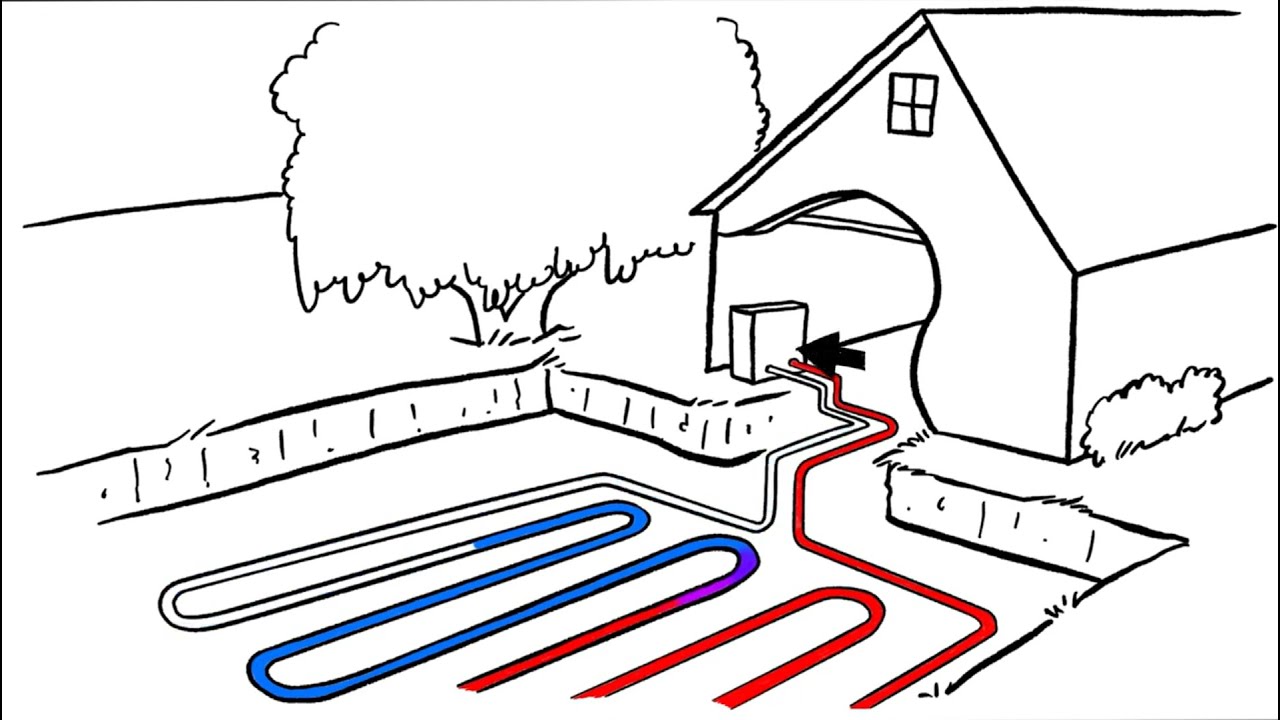
This demonstration project connects multiple buildings to a shared, geothermal water loop. Each connected home or business uses a high‑efficiency heat pump to deliver heating and cooling year-round. The system is ultra-efficient and does not require burning natural gas for space heating.
Want to learn more? Sign up for project updates and information about future opportunities to participate.
The Network at a Glance
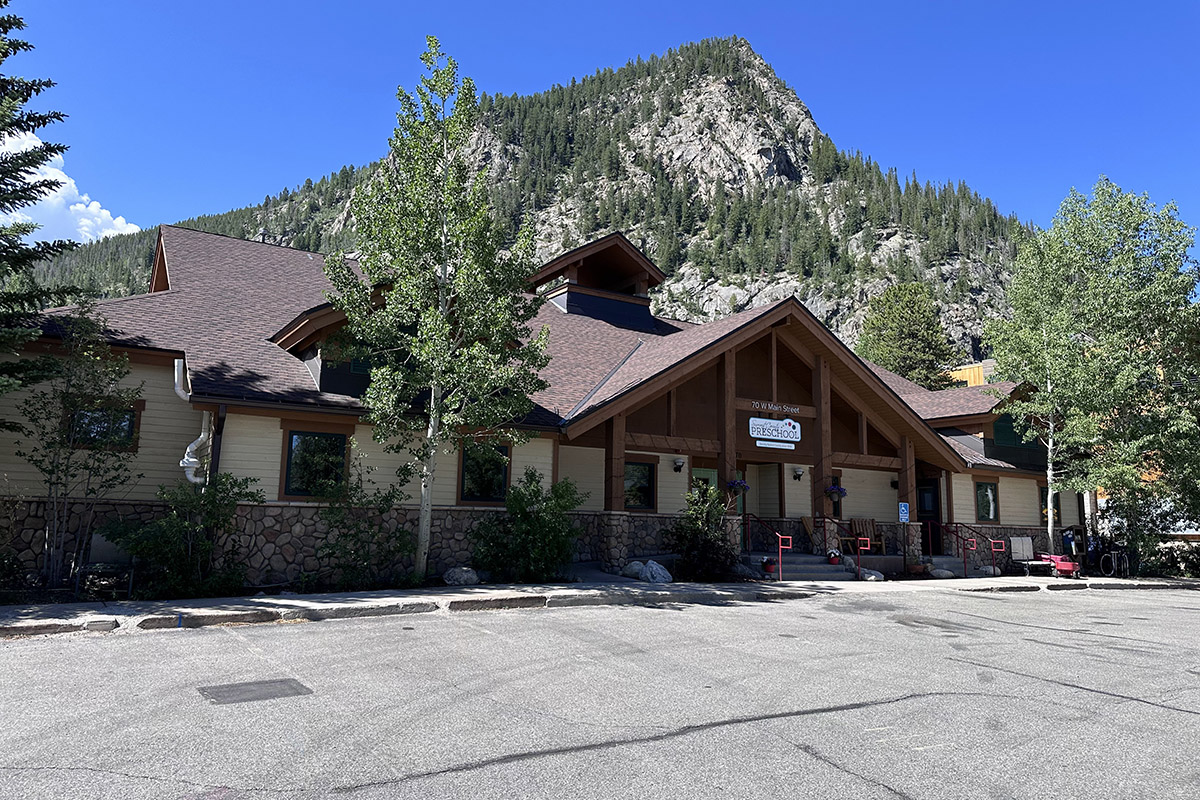
Shared Loop (in the Street)
Temperate water circulates through piping under neighborhood streets.
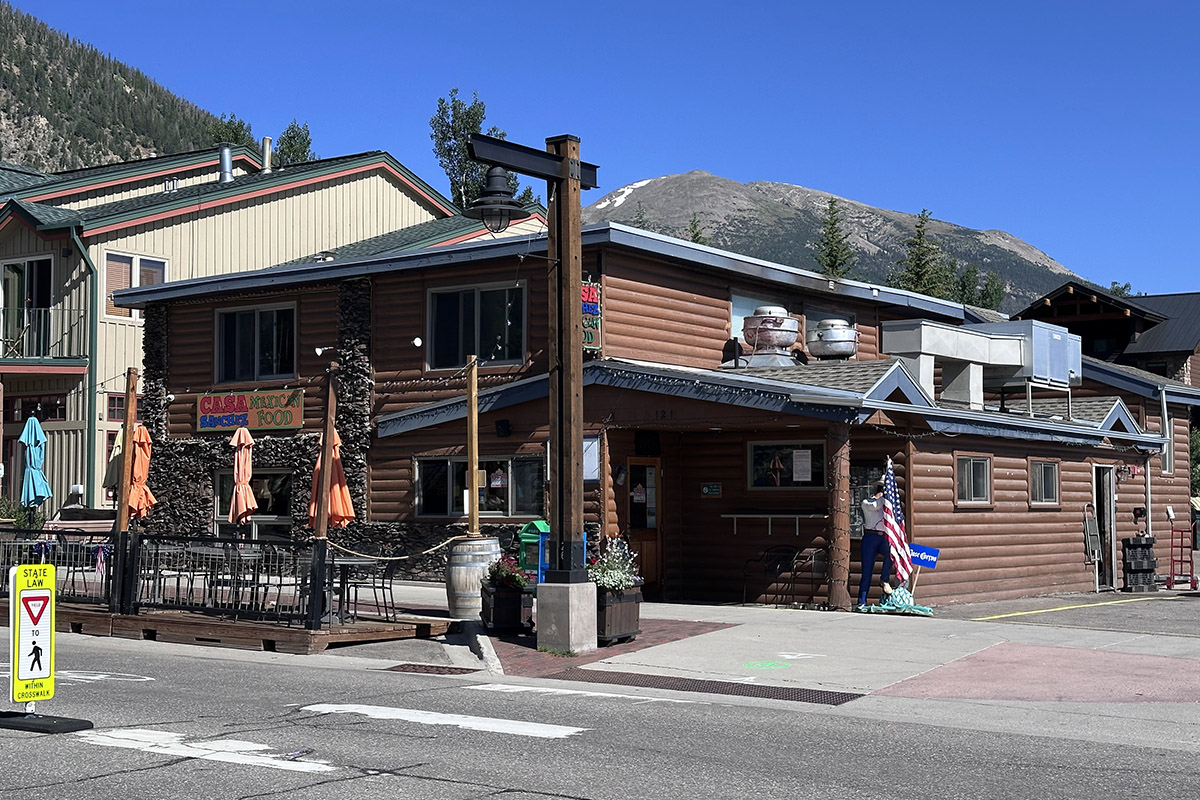
Boreholes (Thermal Source)
Vertical bores allow the loop to exchange heat with the ground in a protected way (no ground water is consumed), maintaining system performance.
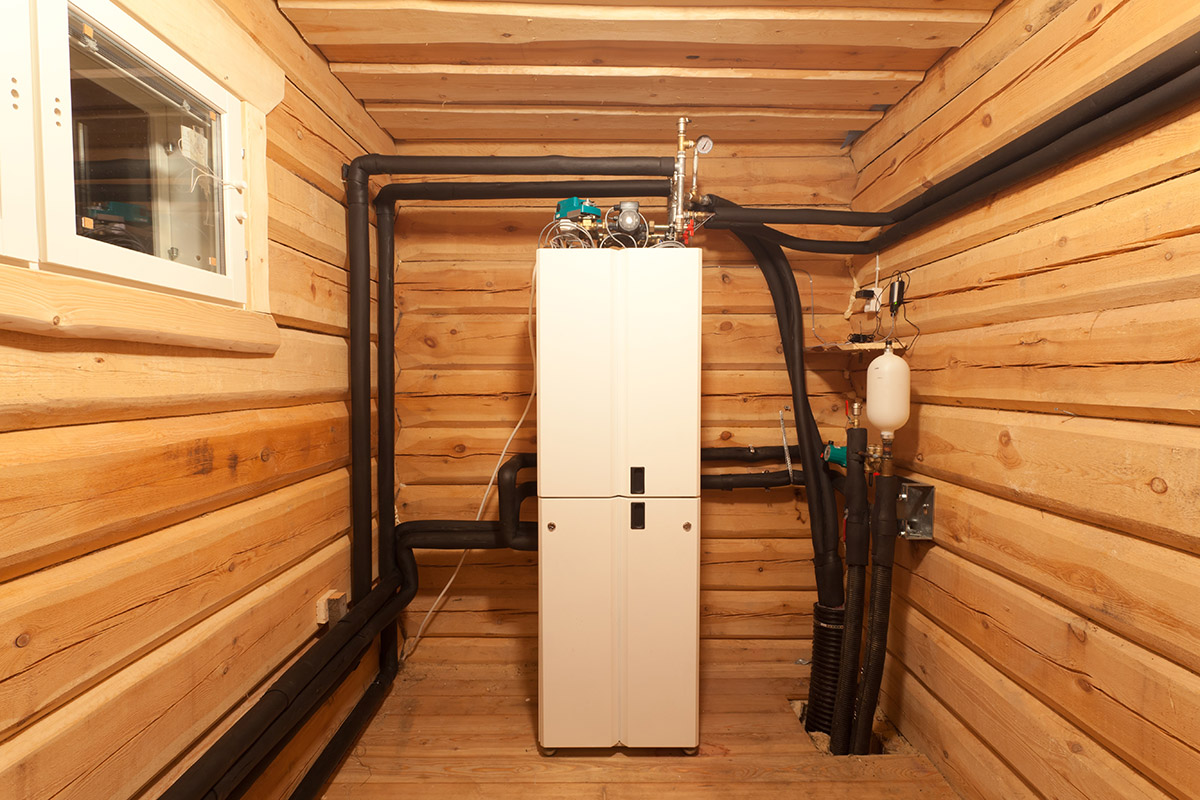
Water-source Heat Pump (in your Building)
A compact unit moves heat to or from the loop to deliver heating and cooling through your existing distribution system (e.g. ducts or radiators).
Smart Balancing
Different buildings often need heating and cooling at different times; the network shares thermal energy among them improving overall efficiency.

…
Why it’s Beneficial
The heat beneath your feet is unlimited
Heat pumps move heat from the ground instead of making heat by burning fuel.
Ground-source advantage
On the coldest days, ground-source systems stay effective where traditional air-source heat pumps can struggle to keep homes and businesses comfortable.
…
What’s in the Street vs. What’s in Your Home
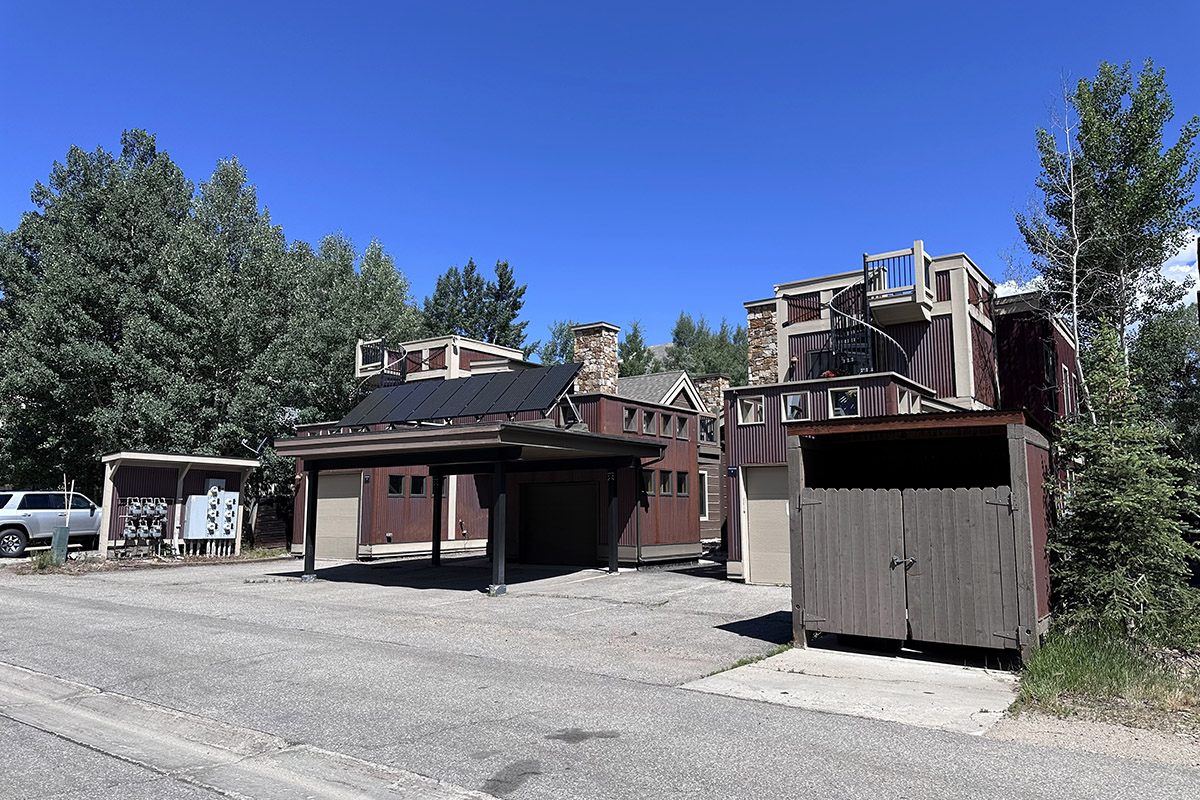
In the street (utility-owned)
A horizontal water loop to distribute geothermally tempered water, and vertical boreholes to exchange heat with the ground.
In your home or business (customer owned)
A water-source heat pump connected to the loop that uses existing ducts or radiators where feasible. The final connection approach will be confirmed during site survey and design.

…
Seasons – What Happens Behind the Scenes
Winter
Your heat pump pulls heat from the loop into your building. The loop cools slightly; the boreholes extract heat from the ground.
Summer
Your heat pump rejects heat from your building into the loop. The loop warms slightly; the boreholes transfer heat back into the ground.
All Year
Buildings share thermal energy across the loop and with the ground, resulting in one of the most efficient heating and cooling systems currently available.
…
Safety & Reliability
No on-site combustion for space heating
Heat is moved through heat pumps.
Utility-scale reliability
Installation and operation of underground pipe networks, routine monitoring, and maintenance is done by the utility.


© 2026 Xcel Energy Inc. All rights reserved.
Some photos and illustrations provided by HEET.
